 This site
Guides
Language
EnglishCurrency
US dollar · $GetYourGuide uses the currency you choose.
Guide · Food
Chanko nabe in Tokyo: eating like a sumo wrestler
The big shared hot pot of the training stables is the easiest way to taste the sport. Here is what goes into it, how it is eaten and where you can sit down to a pot of chanko nabe in Tokyo.
Check availabilityfrom $90 · cancel without a fee
Editorial team, sumodinnershowtokyo.comUpdated October 5, 2026read in 6 minutes3 sources
In short
- 01What it is
- A sumo-style hot pot that Tokyo is known for.1
- 02With a show
- The chanko show on this site serves an all-you-can-eat chicken hot pot at its 11:00 AM and 7:00 PM sessions.
- 03In Ryogoku
- Chanko Kirishima is two minutes on foot from the Kokugikan.2
- 04Hands-on
- A wrestling session with chanko and mochi starts from $102.
- 05Vegetarian
- At the chanko show, a vegetarian option is available on request.
What is chanko nabe?
What is chanko nabe? In the simplest terms it is a hot pot: a wide pot of broth set in the middle of the table, filled with meat or fish, tofu and a heap of vegetables, and kept simmering while everyone helps themselves. In Tokyo the sumo-style version has a name of its own, and you will see it on menus around the old sumo districts.1 The word chanko is used inside the stables for the food wrestlers cook and eat together.
There is no single recipe. Some pots use a clear chicken broth, others a soy, miso or salt base, and each training stable has its own habits. What they share is generosity: plenty of protein, plenty of greens, and a broth that gets richer as the meal goes on. Near the end, many cooks add rice or noodles to soak up what is left, so nothing goes to waste and the last bowl is the most flavorful one.
For wrestlers, chanko is everyday food rather than a treat. Young wrestlers in a stable traditionally take turns cooking, and the meal follows a hard morning of practice. For visitors it is the most approachable way into sumo culture: you do not need to understand the rankings or the rituals to enjoy a bowl of hot broth after watching wrestlers train.
How it is eaten
A chanko meal from first ladle to last bowl
-
To start
The pot arrives
Broth and the slow-cooking ingredients are already simmering in the shared pot.
-
Next
Greens and tofu go in
Quick-cooking ingredients are added as you eat, a little at a time.
-
Throughout
Serve yourself
Take small portions into your own bowl and add condiments there, not to the pot.
-
Second round
Another bowl
At an all-you-can-eat session, a second helping is part of the meal.
-
To finish
Rice or noodles
What is left of the broth often becomes the base for rice or noodles.
Why chicken is the classic choice
Chicken is a familiar choice for chanko, and you will often hear a lighthearted explanation for it. A chicken stands upright on its feet, the story goes, and a wrestler wants to stay on his feet too; landing on hands and knees is how a bout is lost. Whether or not anyone still takes the superstition seriously, chicken remains the familiar, light, protein-rich base that suits a big shared pot.
The chanko show at Tokyo Sumo Beya follows that tradition with its own chicken hot pot. At the 11:00 AM and 7:00 PM sessions it is served all-you-can-eat with bottled water, so a second bowl is part of the plan rather than a favor. The 8:30 AM and 3:00 PM sessions come without a meal, so pick your time with your appetite in mind.
If you do not eat meat, ask before you go. At the chanko show a vegetarian option is available on request, and it can even be changed on the day of your visit. In restaurants, many chanko pots can be ordered with a different base, but the broth itself may still be made with chicken or fish, so it is worth asking the staff what goes into it.
Guest ratings
Sumo shows with hot pot, rated by guests
rating
Where to try it
Chanko nabe options in Tokyo
| Option | Style | Length | Price |
|---|---|---|---|
| Chanko show (this site) | Show, chicken hot pot | 1.5 to 2 hrs | from $90 |
| Entertainment show | Show, hot pot, geisha | 2 hrs | from $102 |
| Hot pot, photo and gift | Show, hot pot | 2 hrs | from $82 |
| Chanko and mochi | Wrestling, chanko, mochi | 2 hrs | from $102 |
| Chanko Kirishima | Restaurant in Ryogoku | Your pace | Menu prices |
Show prices are starting prices on GetYourGuide; the restaurant sets its own menu.2
Three ways to taste it
Chanko with a show, a session or a gift
This site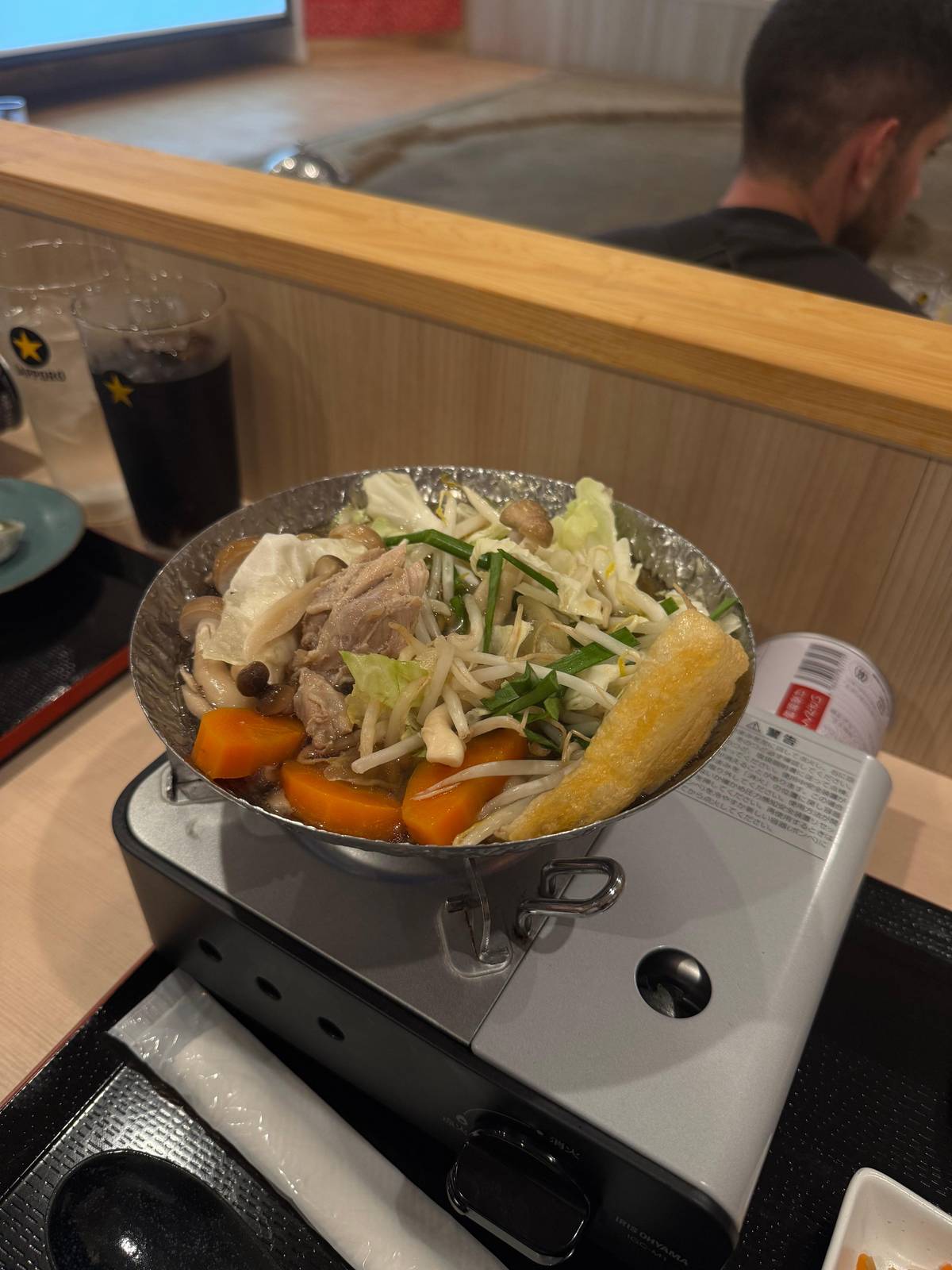 Hands-on
 Top rated
Located two minutes on foot from the Ryogoku Kokugikan, Chanko Kirishima is a spacious eight-story restaurant serving a unique recipe developed by a former sumo wrestler.
Chanko nabe with a sumo show
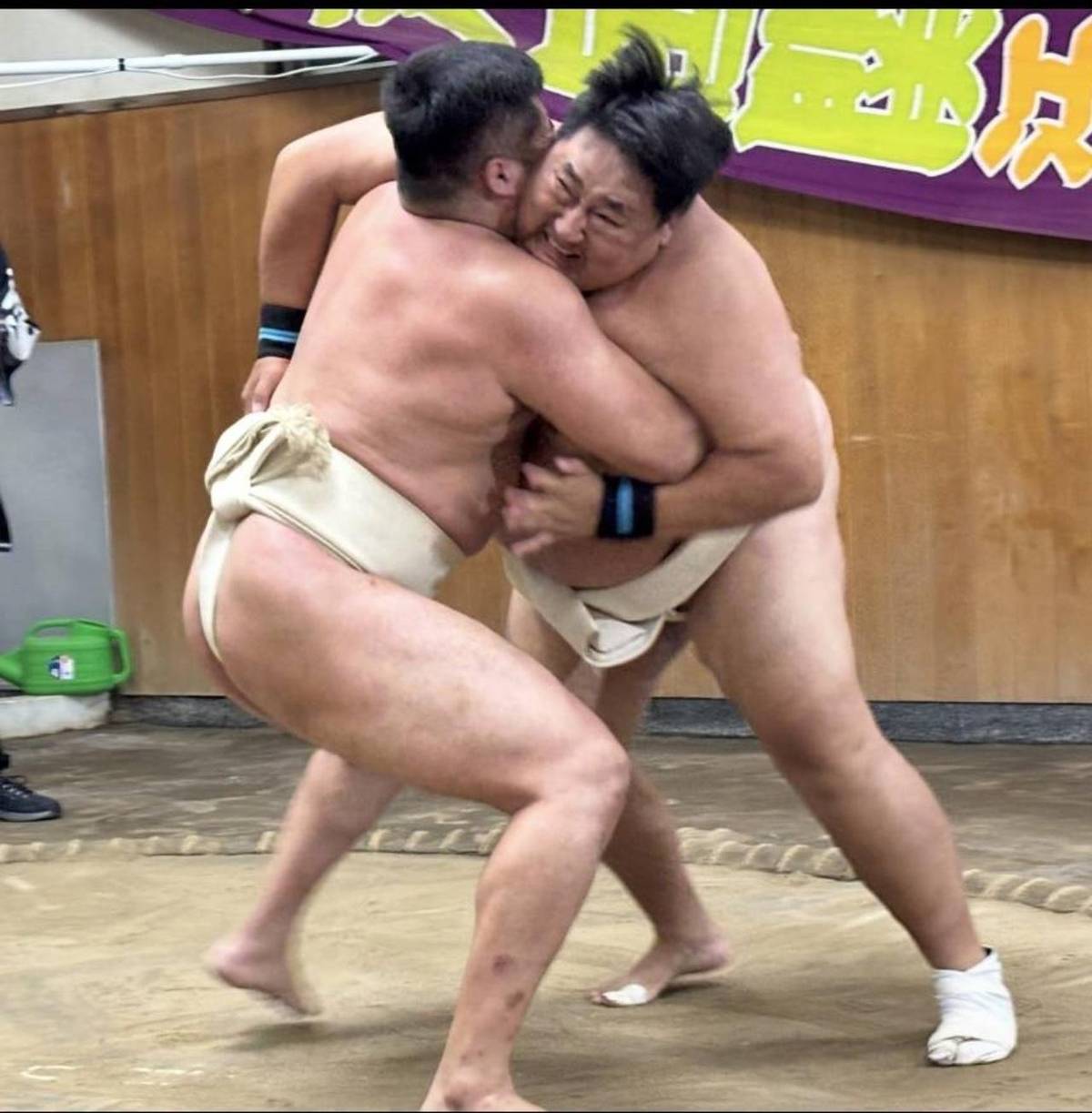
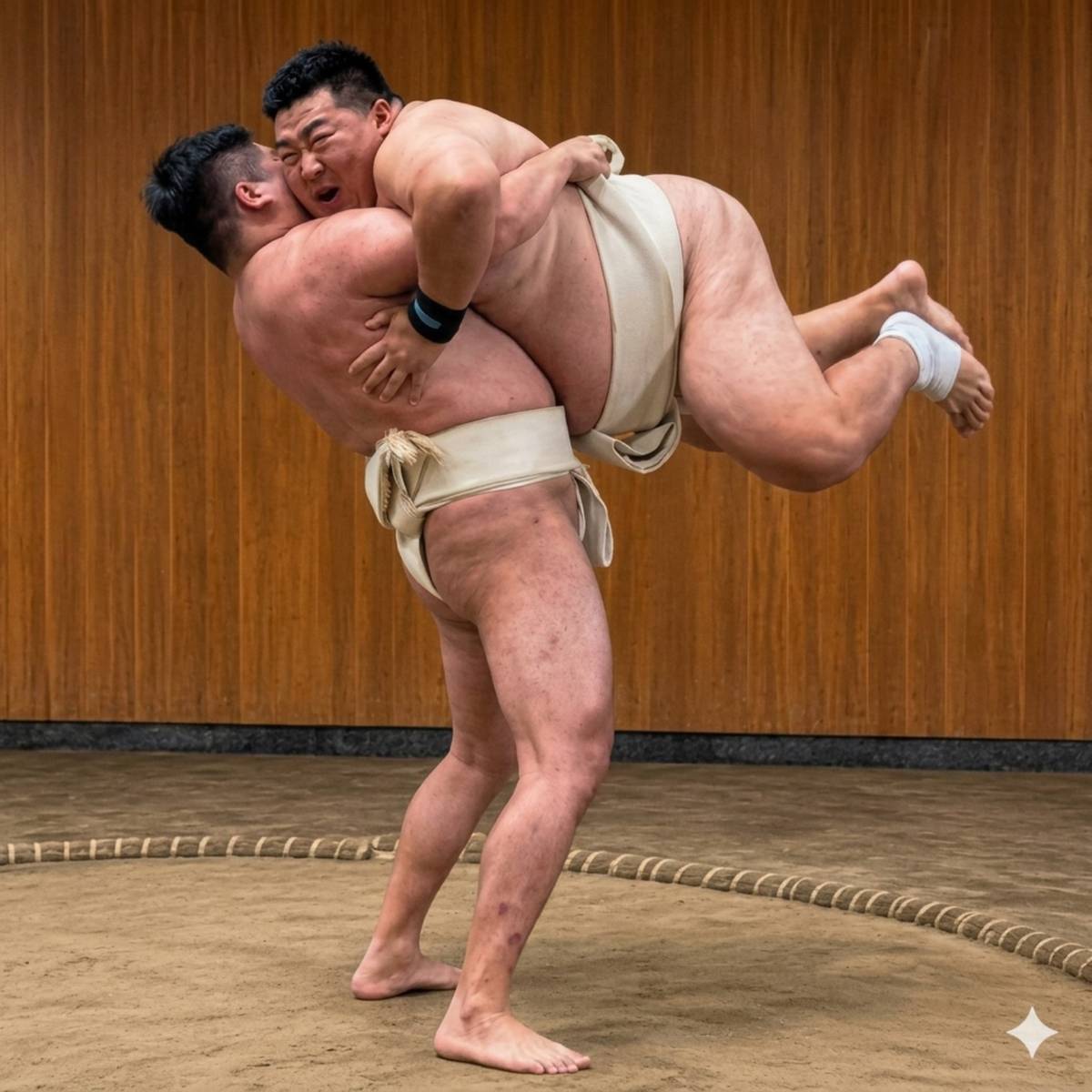
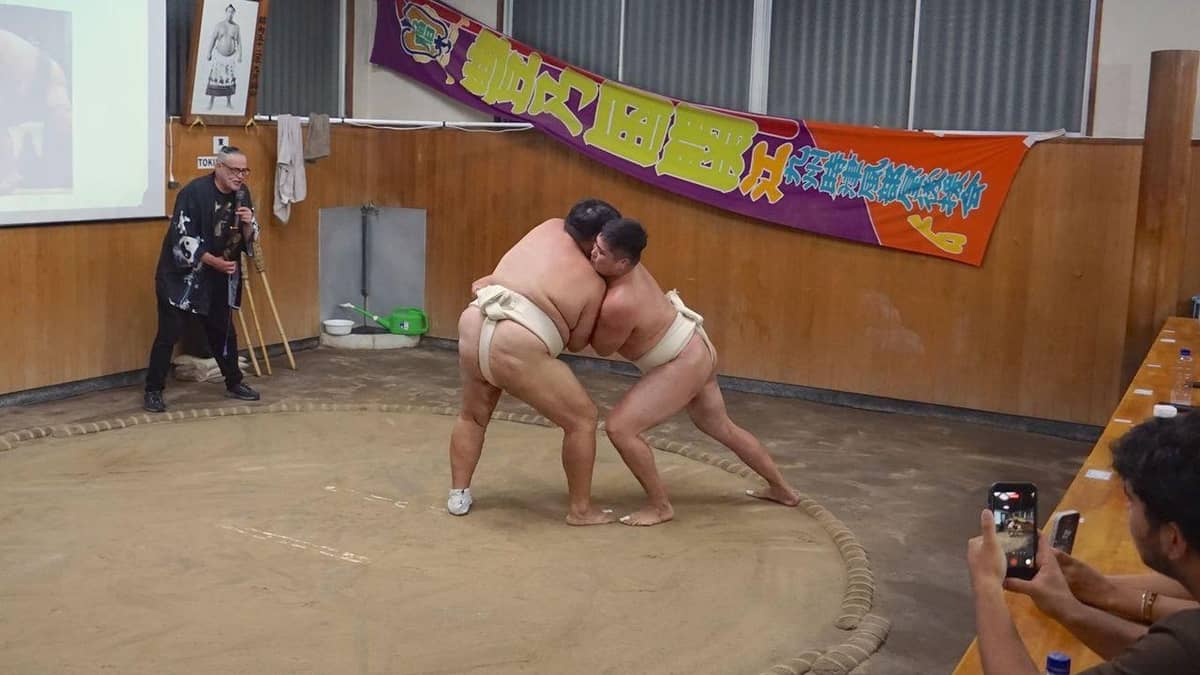
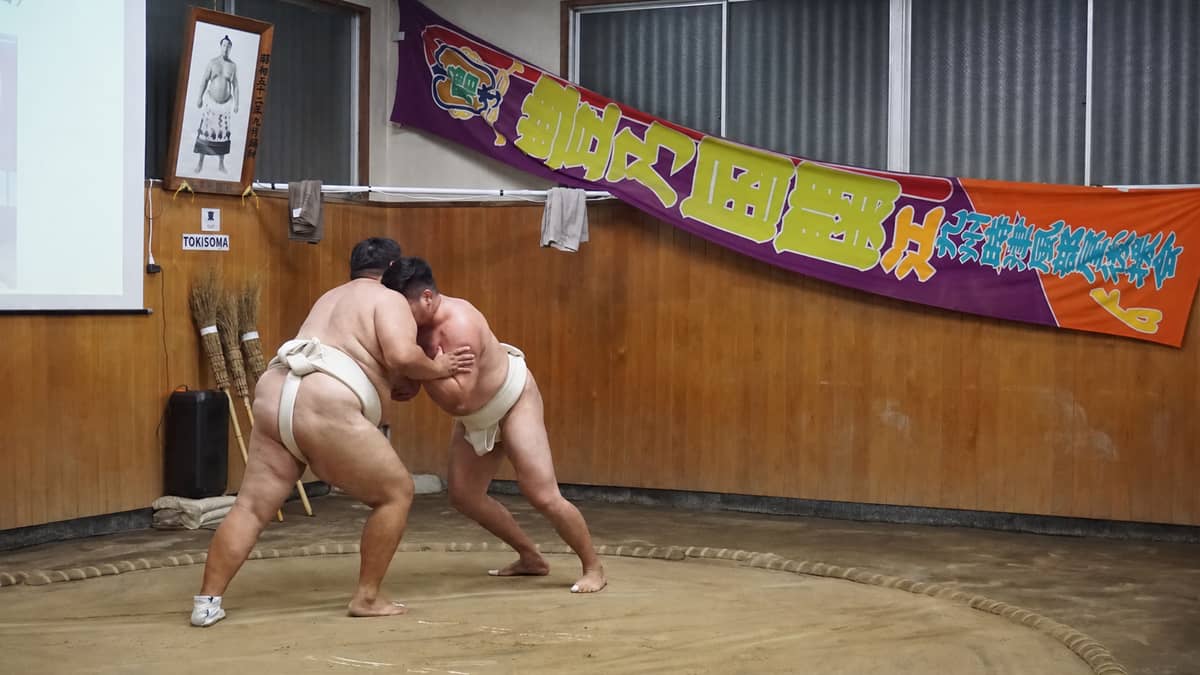
The most memorable way to eat chanko is a few steps from a ring. At the show on this site you sit in a training hall, watch wrestlers demonstrate drills and bouts, listen to an English-speaking host explain the sport, then eat the kind of food the wrestlers themselves live on. The whole session runs 1.5 to 2 hours and starts from $90.
Other shows bundle a hot pot too. A sumo entertainment show with a chicken hot pot and a geisha performance runs 2 hours from $102 and is rated 4.79 from 8,004 reviews. A smaller session with hot pot, a photo and a gift starts from $82 for 2 hours and scores 4.98, though from only 130 reviews.
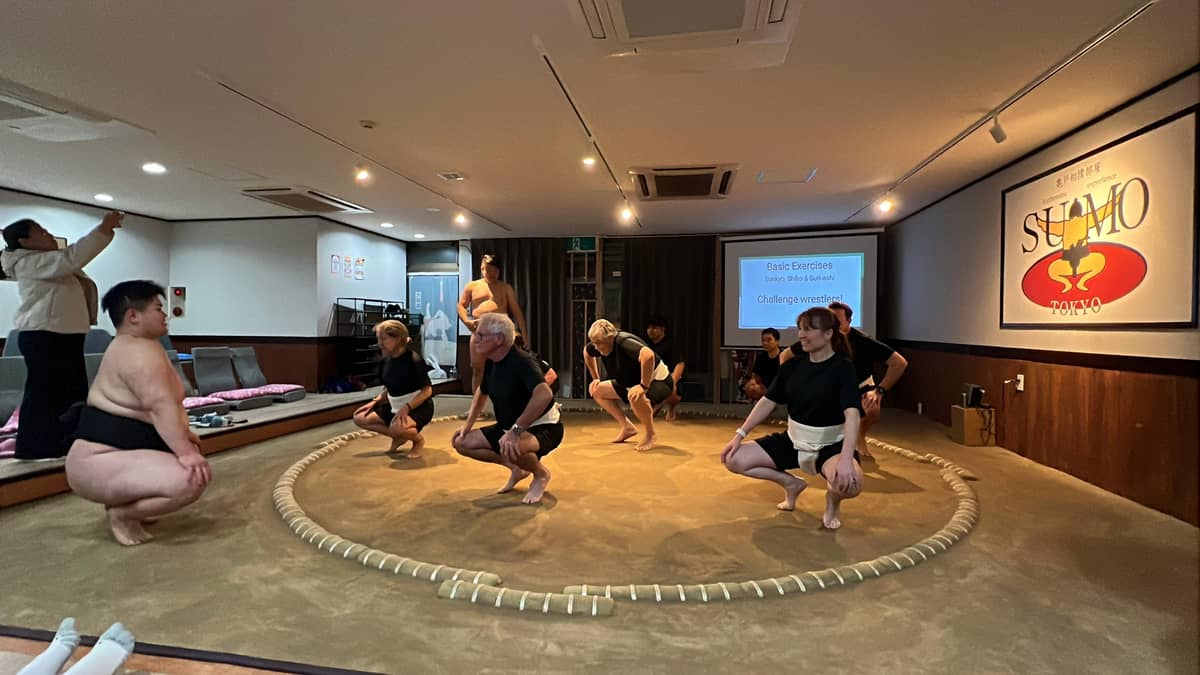
If you would rather do something with your hands, a wrestling session with chanko nabe and mochi runs 2 hours from $102, rated 4.83 from 723 reviews, with instruction in English and Japanese. Mochi pounding is a loud, cheerful bit of Japanese food culture of its own, and it pairs well with a pot of chanko afterwards.
Checklist
Before your chanko meal
01
Ask first
- Whether your show session includes the hot pot
- Whether a vegetarian base is possible
- Whether the restaurant serves the pot for one
02
Bring along
- Money for drinks that are extra
- An appetite for a second bowl
- Time to linger over the pot
Cost calculator
A hot pot evening for your group
Enter your group size to compare the hot pot options.
People
Total from$179
per person from $90
Check availabilityfree cancellationStarting prices per GetYourGuide, at the European Central Bank reference rate. What it costs exactly, the booking shows you.
Video
What sumo wrestlers eat: the chanko diet
The video starts loading once you tap play.
Eating chanko in Ryogoku
Ryogoku, home of the Kokugikan arena, is where most visitors look for a chanko restaurant. Chanko Kirishima sits two minutes on foot from the Kokugikan in a spacious eight-story building, and its recipe was developed by a former sumo wrestler.2 It is a natural stop before or after a visit to the Sumo Museum or a tournament day.
Walking around the station area, you will notice how much of the neighborhood still revolves around the sport: wrestler handprints, banners and restaurants with sumo names. Some restaurants prefer to serve a whole pot to a table, so solo travelers should ask before sitting down. Lunch sets are often the easier and cheaper way to try it.
The Kokugikan is a one-minute walk from JR Ryogoku Station on the Sobu Line and a five-minute walk from exit A4 of the Toei Oedo Line station.3 That makes it easy to combine a chanko lunch with the museum in a few relaxed hours, even on a day without a tournament.
How to eat it, step by step
A chanko meal has a gentle rhythm. The pot arrives with the broth and the slower ingredients already cooking, and the faster things like greens and tofu go in as you eat. Take a little at a time into your own bowl rather than filling it to the brim, and let the pot keep working. Nobody rushes a hot pot, which is part of the pleasure.
Use the serving ladle or chopsticks the restaurant provides for the shared pot, rather than your own, if they are offered. Add the side condiments to your own bowl, not the pot. Toward the end, when the broth has collected the flavor of everything that went in, the staff or your table may add rice or noodles to finish the meal. If you are unsure, watch what the people at the next table do and follow their lead; staff are used to first-timers and happy to show you.
Pace yourself if the pot is all-you-can-eat, as it is at the 11:00 AM and 7:00 PM sessions of the chanko show. A second bowl is welcome, but the show will keep you busy too, and you may want room left if you plan to try a bout in the ring. Drinks other than water are extra, so bring a little money for them.
Choosing your chanko experience
If you want the full picture, sport and food together, a show with a hot pot gives you both in one booking and tells you the story behind what you are eating. The chanko show on this site suits travelers who want the meal at the center; the geisha show suits those who want a broader evening; the hands-on session suits people who would rather wrestle than watch.
If food is your main interest, a restaurant in Ryogoku lets you take your time and compare broths. Go at lunch for a simpler set, or plan dinner after a museum visit. Restaurants are also the better choice on days when no show time fits your schedule or when you are traveling in a large group that wants its own table. A restaurant meal also gives you the chance to taste a different broth from the one served at a show, which is a good reason to try both on a longer trip.
Whichever you choose, check the details that matter before you go: whether your session includes the meal, whether vegetarian options exist, and how you will get there. Chanko is generous food, and a cold Tokyo evening in winter is when a steaming pot feels most like the right decision.
Book your seat
Ringside bouts and a hot pot are waiting tonight.
Reserve now, pay later, and cancel for free up to 24 hours before the show.


You ask,we answer.
What is chanko nabe made of?
Broth, protein and lots of vegetables. There is no fixed recipe: chicken, fish, tofu and greens in a chicken, soy, miso or salt broth are all common.
Is chanko nabe only eaten by sumo wrestlers?
No, anyone can order it. It is the everyday food of the stables, but restaurants in Tokyo serve sumo-style hot pot to everyone.1
Does the sumo show on this site include chanko?
Yes, at set sessions. The 11:00 AM and 7:00 PM shows include an all-you-can-eat chicken hot pot; the 8:30 AM and 3:00 PM shows do not.
Is there a vegetarian chanko option?
At the chanko show, yes. A vegetarian option is available on request and can be changed on the day of your visit.
Where can I eat chanko in Ryogoku?
Chanko Kirishima is one choice. It is two minutes on foot from the Kokugikan, and its recipe was developed by a former sumo wrestler.2
Can I try chanko and wrestling in one session?
Yes. A wrestling session with chanko nabe and mochi runs 2 hours from $102.
Are drinks included with the chanko show?
Bottled water is, other drinks are not. Alcohol and soft drinks cost extra at the chanko show.
Sources
What this text is based on
- 1Japan National Tourism OrganizationEnjoy a variety of hotpot across Japan (Kanto & Hokkaido regions)↩
- 2Tokyo Convention & Visitors BureauFeel the Spirit of Sumo in Tokyo - Spots to Experience Japan’s Iconic Sport Beyond the Ring↩
- 3Nihon Sumo KyokaiHistory - Nihon Sumo Kyokai Official Grand Sumo Home Page↩
Keep reading